
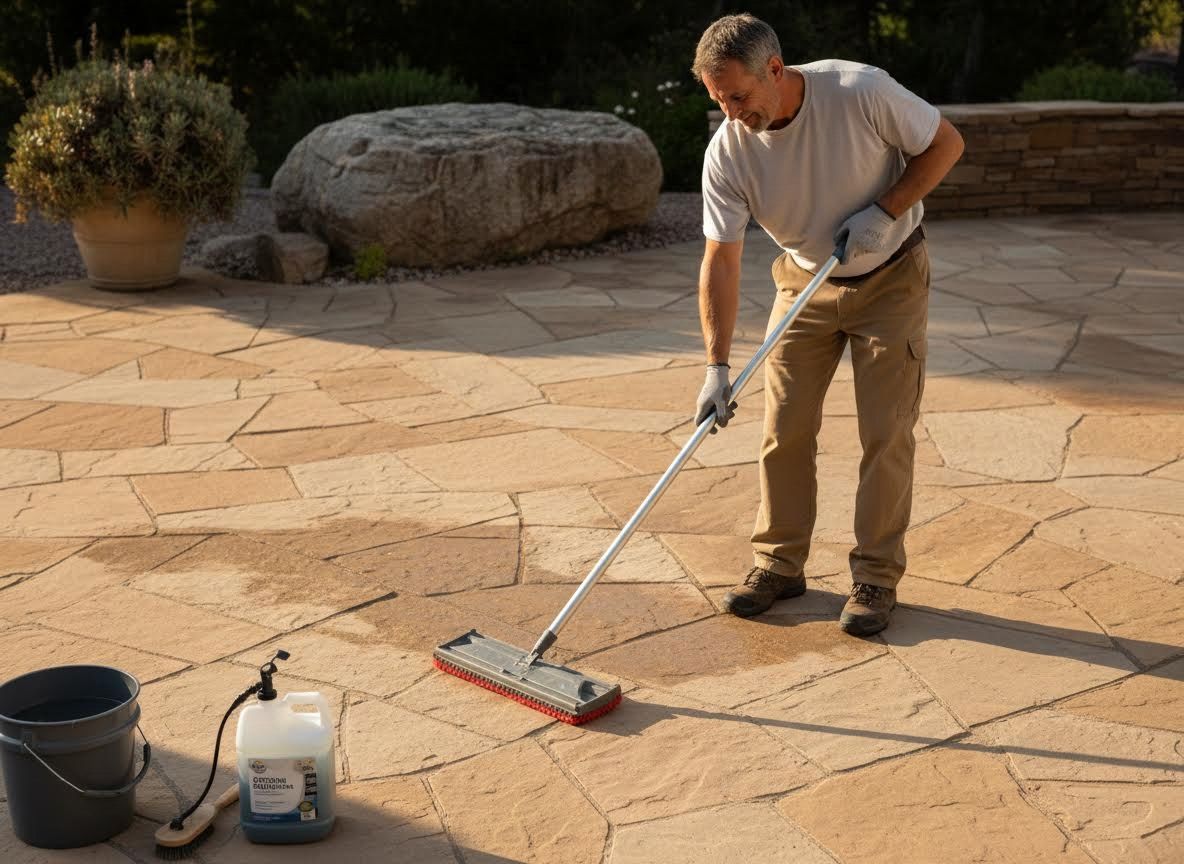
The timeless beauty of natural stone brings an unmatched elegance and character to any outdoor space, from sprawling patios to intricate walkways. While renowned for its inherent strength and durability, even the most robust stone benefits from proper care and protection against the elements. Ensuring your outdoor stone surfaces remain pristine and long-lasting requires a thoughtful approach to sealing and maintenance. Loukonen Bros, with generations of experience, understands the nuanced needs of natural stone, and we're here to share some expert insights to help you protect your investment.
Why Sealing is Essential for Outdoor Stone
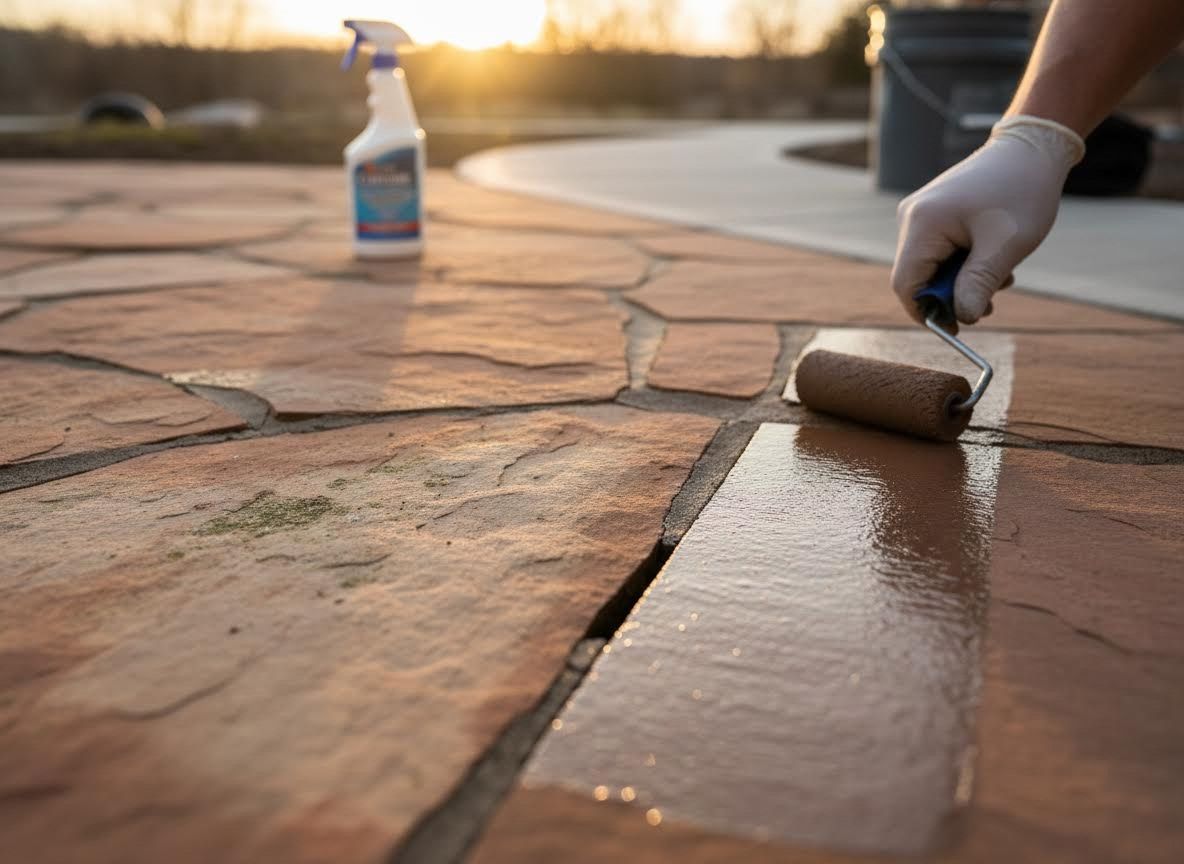
Natural stone, despite its strength, is a porous material. This means it can absorb moisture, oils, and other substances, leading to stains, discoloration, and even structural damage over time, especially in varied climates. Exposure to rain, snow, UV rays, dirt, and organic growth like moss or mildew can significantly impact its appearance and longevity. Sealing acts as a vital protective barrier, minimizing absorption without compromising the stone's natural beauty. It helps prevent unsightly stains, reduces erosion from weathering, and makes routine cleaning much easier, effectively preserving the stone's original luster and integrity for years to come. Even stone sourced from a long-standing Colorado sandstone quarry benefits immensely from this protective measure.
Choosing the Right Sealer for Your Stone
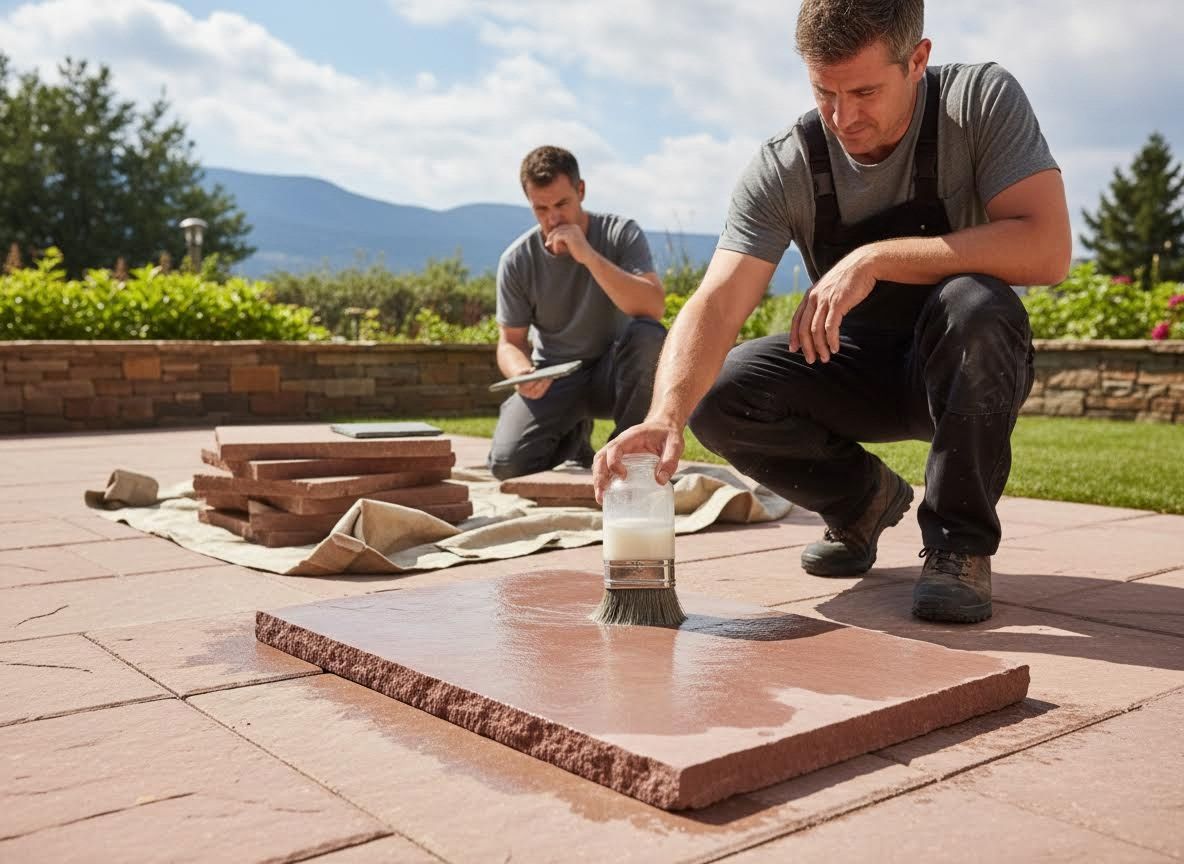
Selecting the appropriate sealer is crucial for effective protection. Generally, outdoor stone surfaces benefit most from penetrating (or impregnating) sealers. These sealers soak into the stone's pores, forming a protective barrier beneath the surface while allowing the stone to "breathe." This is particularly important in regions with freeze-thaw cycles, as it prevents moisture from getting trapped and causing damage. Topical sealers, which form a film on the surface, are less common for outdoor applications as they can alter the stone's appearance and may wear down more quickly with foot traffic and weather exposure. When choosing, consider the type of stone – a dense stone like Lyons Red sandstone might require a different sealer or application frequency than a more porous variety – as well as the level of exposure to sun, rain, and potential staining agents.
Application Best Practices and Ongoing Maintenance
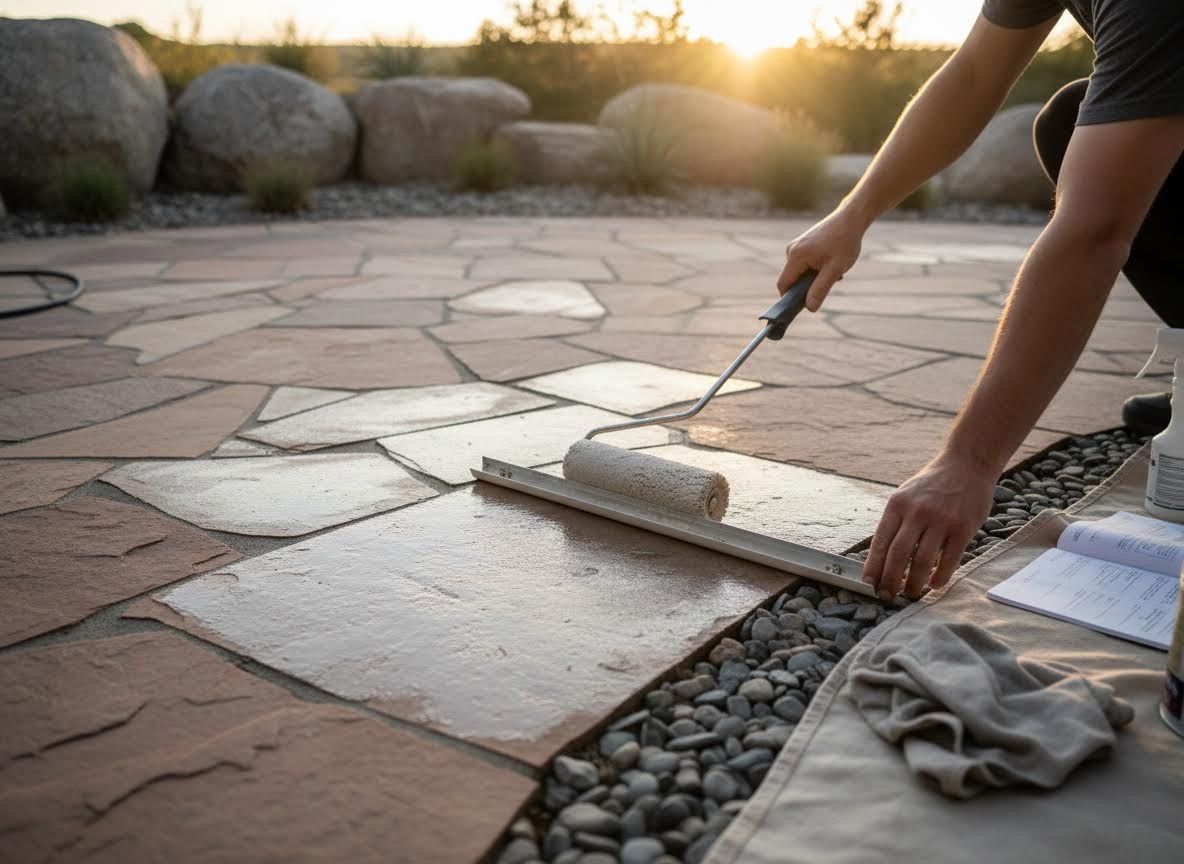
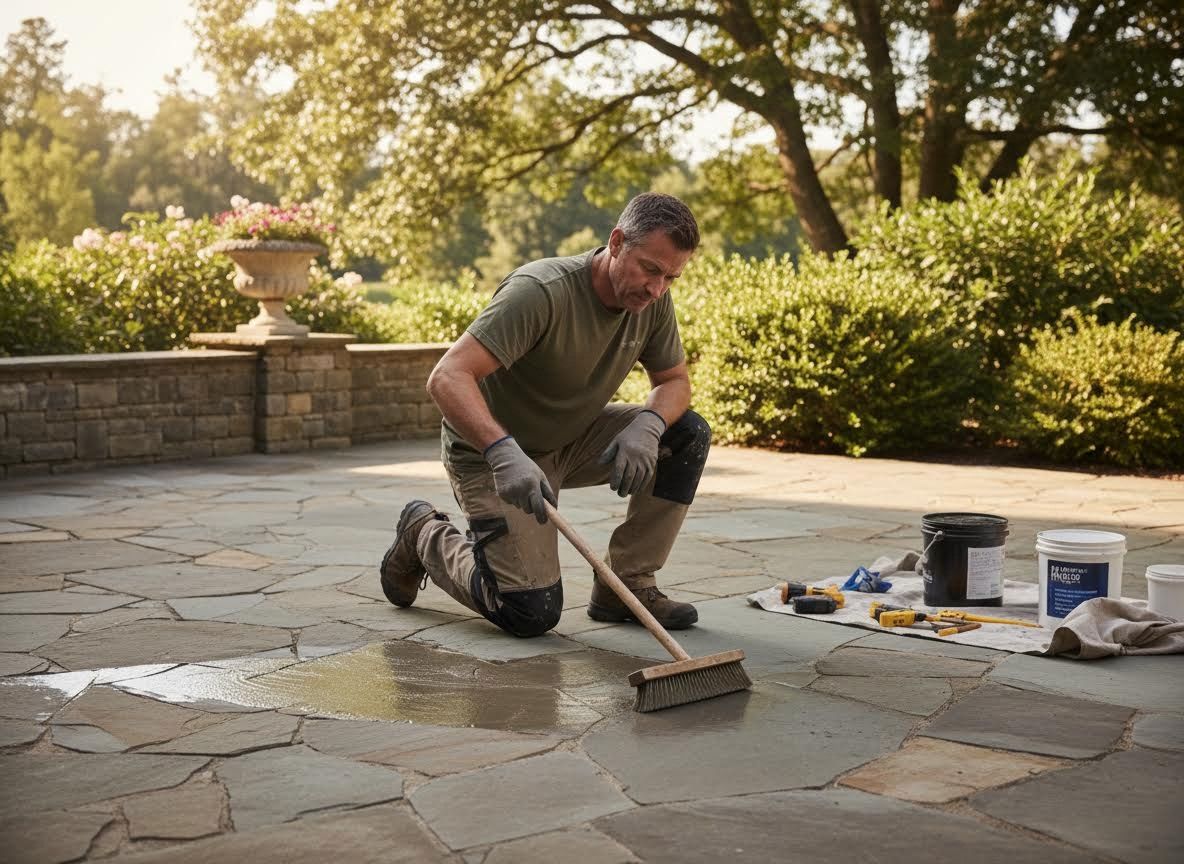
Proper application is paramount to maximizing the benefits of your chosen sealer. Always start with a thoroughly clean and dry stone surface. Any dirt, debris, or existing stains must be removed to ensure the sealer can penetrate effectively. Apply the sealer evenly according to the manufacturer's instructions, often in thin coats. It's always a good practice to test the sealer on an inconspicuous area first to ensure you're satisfied with the finish. Beyond initial sealing, consistent maintenance is key. Regular cleaning with pH-neutral stone cleaners will prevent dirt buildup and help maintain the sealer's integrity. Reapplication frequency varies depending on the sealer type, stone porosity, and exposure conditions, but a general guideline is every one to five years. This diligent care is important whether you're protecting large Colorado flagstone and boulders in a garden or preserving the delicate texture of Custom cut stone veneer on a home's exterior.
Conclusion
Protecting your outdoor stone surfaces through proper sealing and consistent maintenance is an investment that pays dividends in lasting beauty and structural integrity. By understanding the vulnerabilities of natural stone and applying these expert tips, you can ensure your patios, walkways, and architectural features withstand the test of time and elements. With the right care, the enduring quality of natural stone will continue to enhance your property for generations. To learn more about selecting the ideal stone for your next project or for detailed guidance on maintaining its natural splendor, explore the resources available from an experienced Natural stone supplier.