
When planning an outdoor living space, few decisions are as fundamental as choosing the right material for your pathways, patios, or gathering areas. Two popular contenders often emerge in this conversation: flagstone and pavers. Both offer distinct advantages and aesthetic appeals, and understanding their differences is key to achieving your desired outdoor vision. At Loukonen Bros, we've seen firsthand how the right material can transform a space, adding character and enduring beauty for generations. This guide will help you navigate the choice between flagstone and pavers, ensuring your project reflects both your style and practical needs.
The Timeless Appeal of Flagstone
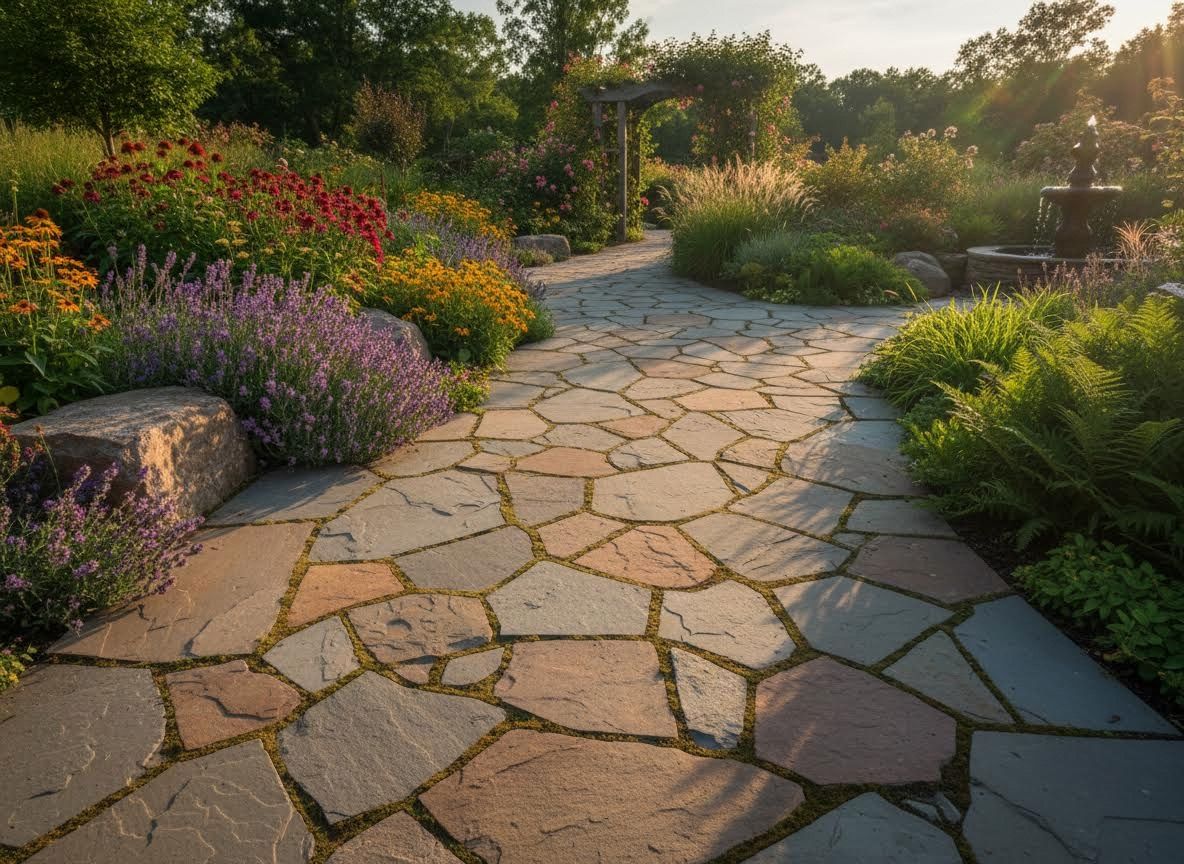
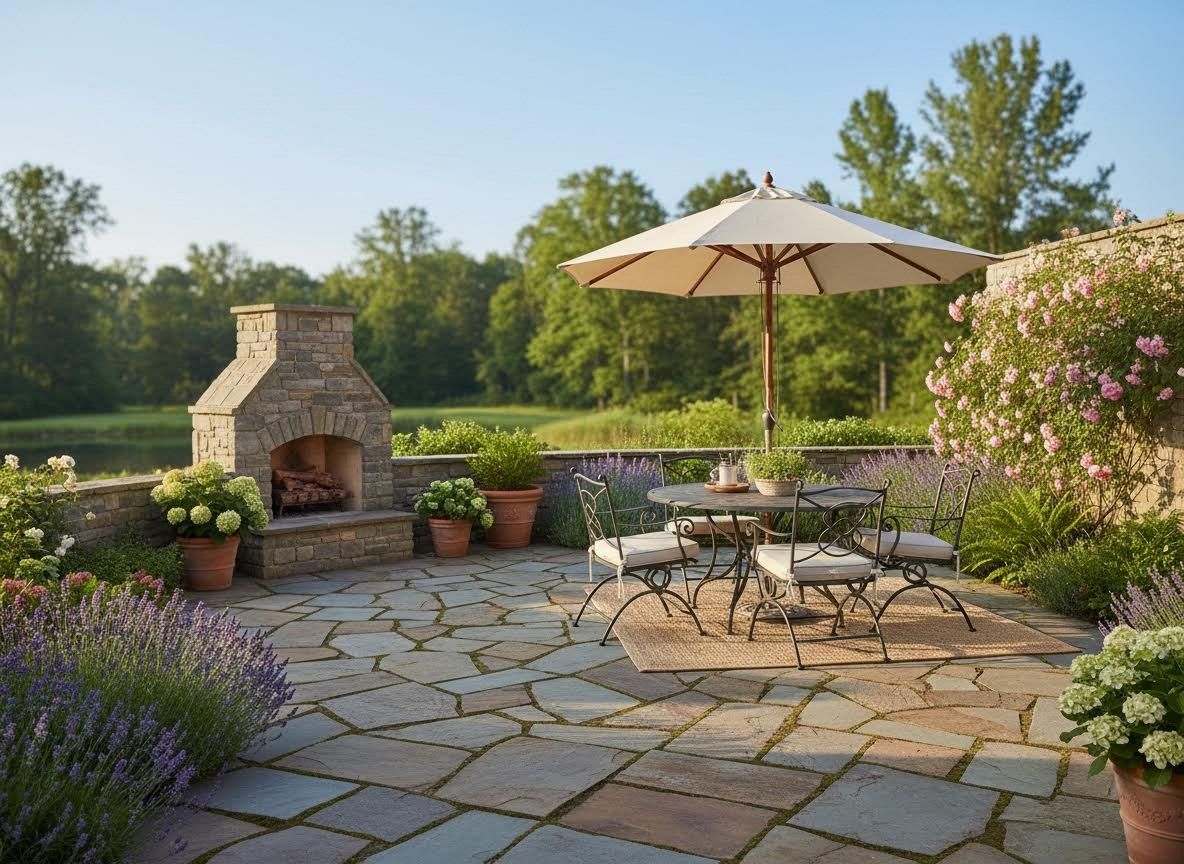
Flagstone refers to flat slabs of natural stone, typically sandstone, limestone, or slate, quarried directly from the earth. Its inherent beauty lies in its irregular shapes, varying textures, and earthy color palettes. When used for landscaping rocks, flagstone creates an organic, natural aesthetic that seamlessly blends with the surrounding environment. Every piece is unique, offering a truly custom feel to patios, walkways, and garden steps. Its durability, forged over millennia, makes it an excellent choice for areas that will see heavy foot traffic. Many appreciate the authentic, time-honored look that only natural landscaping stones can provide, bringing a piece of the natural world into their backyard design.
The Versatility of Pavers
In contrast to flagstone, pavers are manufactured units, most commonly made from concrete, brick, or clay. They come in a wide array of standardized shapes, sizes, colors, and textures, allowing for highly uniform and intricate patterns. This predictability often makes them a favorite for projects requiring precise lines and consistent finishes, such as driveways, large patios, or commercial plazas. Pavers are designed to interlock, which can provide excellent stability and distribute weight evenly, making them very resilient against shifting soils and heavy loads. Their manufactured nature means a broad spectrum of design possibilities, from classic brick patterns to modern geometric layouts, offering a flexible decorative stone option.
Key Considerations for Your Outdoor Project
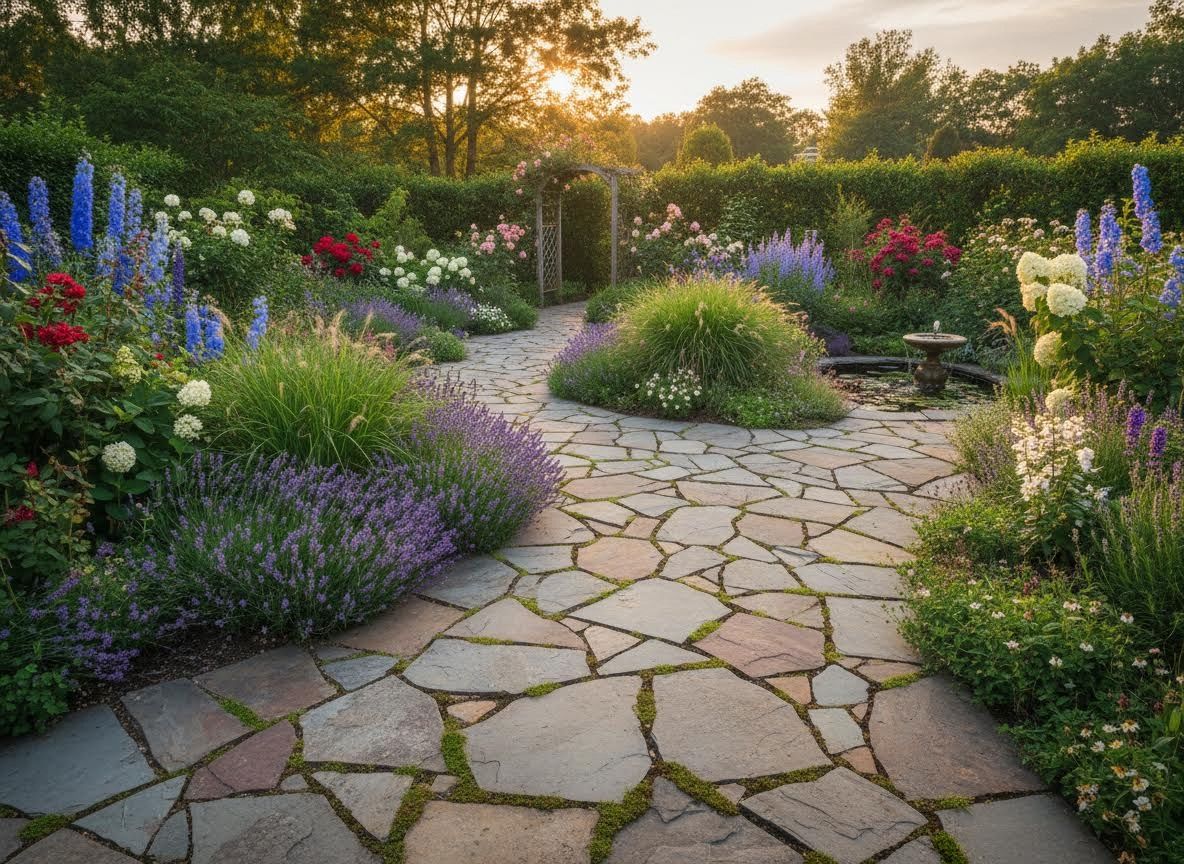
When deciding between flagstone and pavers, several factors should guide your choice. Aesthetically, flagstone offers a rugged, earthy charm, perfect for a naturalistic or rustic garden. Pavers, with their uniform lines and wide color options, lend themselves to more structured, contemporary, or formal designs. From a durability standpoint, natural flagstone from a reputable sandstone quarry, like our Colorado quarry, is renowned for its longevity and ability to withstand harsh weather, often aging gracefully. Pavers are also very durable, but their appearance can sometimes degrade differently over time, depending on the material and sealing. Installation can vary; while pavers often offer a more straightforward, interlocking installation process, flagstone requires skilled placement due to its irregular shapes, creating a jigsaw-like fit that contributes to its unique character. Maintenance for both typically involves routine cleaning and occasional sealing, though irregular flagstone surfaces might require more attention to weed growth between joints if not properly installed.
Making Your Material Decision
Ultimately, the best choice for your outdoor project depends on your specific vision, the functional requirements of the space, and your desired aesthetic. If you're seeking an authentic, naturally beautiful, and incredibly durable surface that will stand the test of time with unique character, flagstone is an unparalleled option. If uniformity, precise patterns, and a vast array of standardized design choices are your priority, pavers offer exceptional versatility. Whichever path you choose, understanding the inherent qualities of each material ensures that your outdoor space will be both beautiful and enduring. To learn more about the natural stone options, contact Loukonen Bros today.