
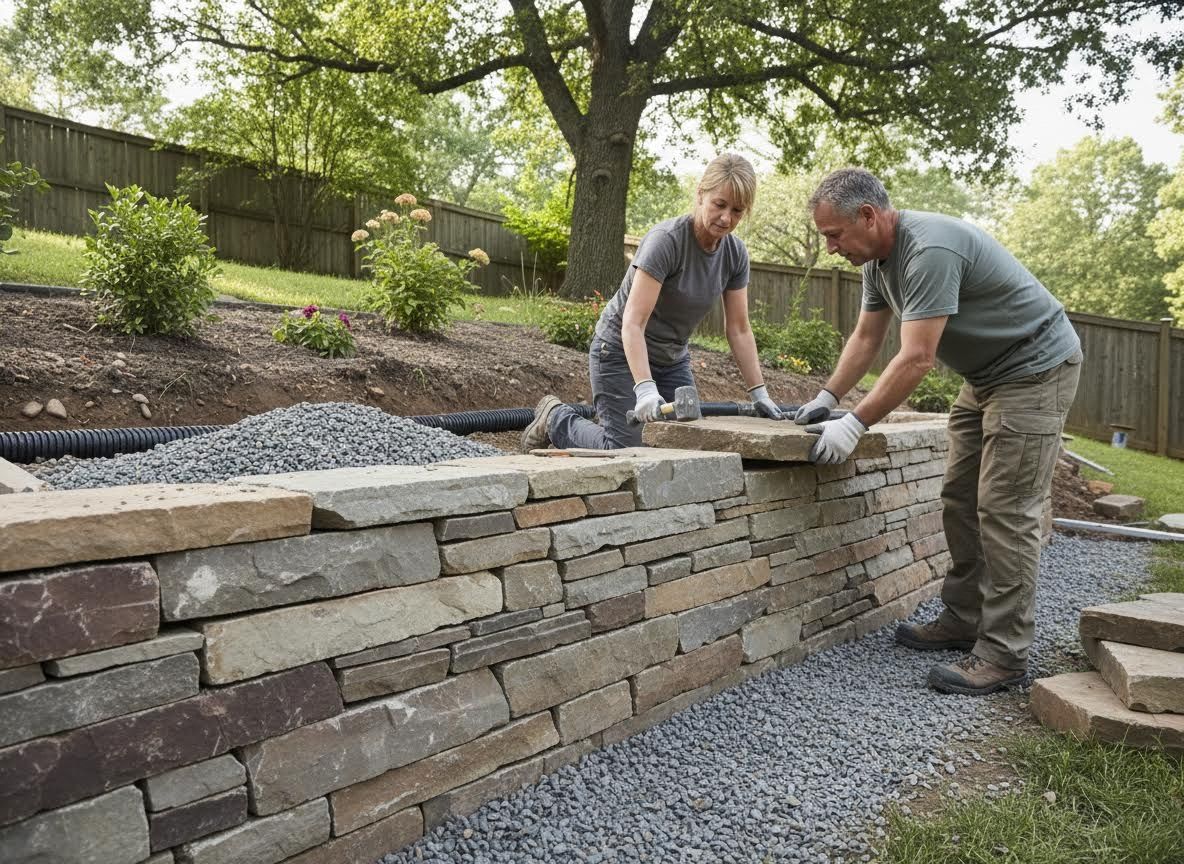
A well-built ledgestone retaining wall not only serves a crucial functional purpose but also adds immense aesthetic appeal to any landscape. The unique texture and natural hues of stacked stone can transform an ordinary slope into a garden feature, providing both stability and beauty. At Loukonen Bros Stone Company, we understand the enduring value of natural materials in crafting such lasting structures, a tradition we have upheld since 1890. This guide will walk you through the essential steps for installing a durable and beautiful ledgestone retaining wall that will stand the test of time.
Planning and Site Preparation
The journey to a successful ledgestone retaining wall begins with meticulous planning. First, assess your site's topography, paying close attention to the slope, drainage patterns, and soil type. Understanding these elements is crucial for determining the wall's height, length, and necessary structural support. Consider whether you need to consult with a structural engineer, especially for walls exceeding four feet in height or those supporting significant loads. When selecting your materials, choosing the right natural landscaping rocks, such as our durable sandstone, is paramount. You'll need to excavate a trench that is wider than your wall and deep enough to accommodate a stable base, typically below the frost line in colder climates, ensuring proper drainage.
Laying a Solid Foundation
A retaining wall is only as strong as its foundation. Once your trench is excavated, it’s time to prepare the base. This involves compacting the subgrade thoroughly to prevent future settling, which can compromise the wall's integrity. Next, lay down a layer of crushed gravel, typically 6-12 inches deep, and compact it firmly. This gravel base serves as a stable footing and facilitates drainage, preventing hydrostatic pressure buildup behind the wall. The first course of ledgestone, also known as the footer course, is then laid directly on this compacted gravel, ensuring each stone is perfectly level and firmly set. This initial layer of landscaping stones is critical for the overall stability and appearance of your finished wall.
Building Up the Wall
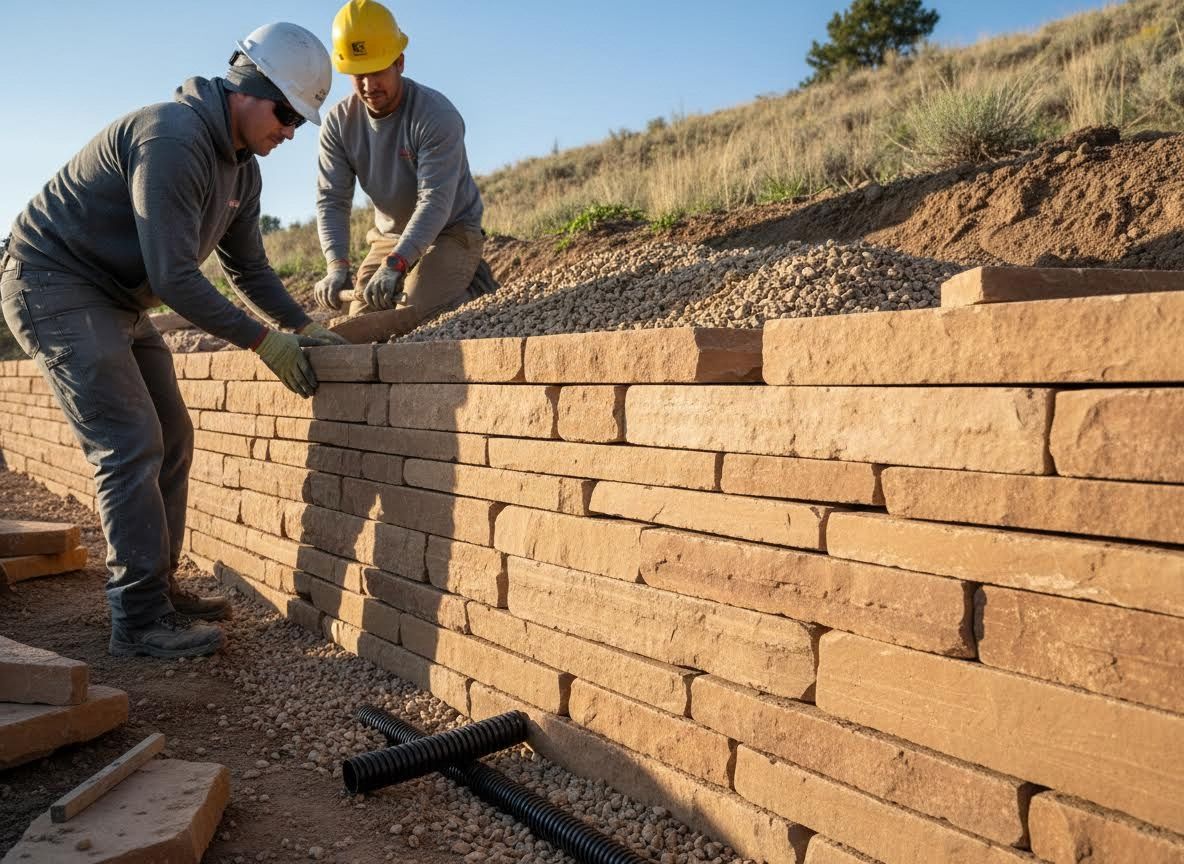
With the foundation in place, the construction of the wall can begin. Each subsequent course of ledgestone is carefully stacked, ensuring that vertical joints are staggered to create an interlocking pattern, much like brickwork. This staggering provides essential structural strength and helps distribute the load evenly. For stability, slightly tilt each stone course backward into the slope, a technique known as "batter," typically one to two inches for every foot of height. As you build each course, backfill the area behind the wall with drainage gravel, and incorporate a perforated drain pipe (French drain) at the base to direct water away.
This combination of quality stone, proper stacking, and effective drainage ensures that your wall endures for generations, offering both structural support and the beauty of decorative stone. The selection of materials from a reliable sandstone quarry, like our Colorado quarry, plays a significant role in the wall's longevity and aesthetic.
A Lasting Landscape Feature
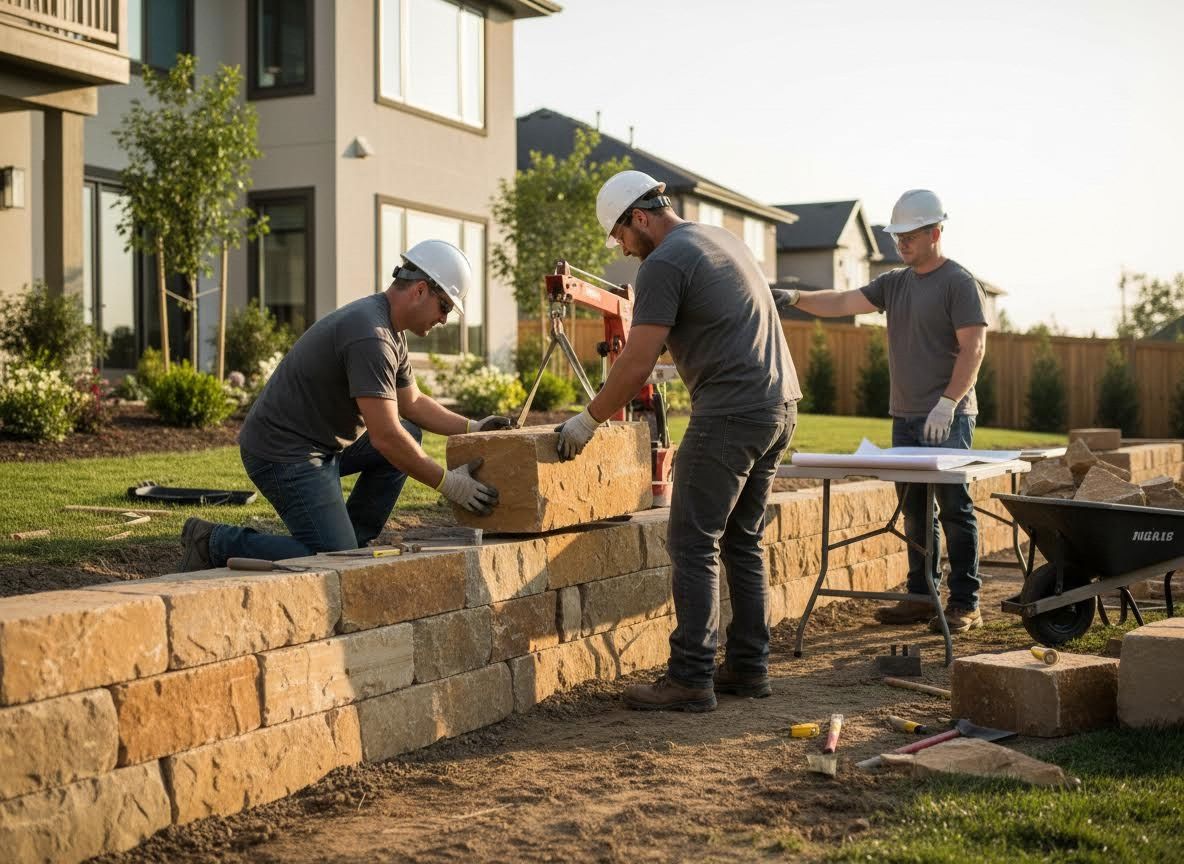
From the initial design to the final placement, installing a ledgestone retaining wall is a rewarding project that blends engineering with artistry. The timeless appeal and inherent strength of natural sandstone, carefully extracted and expertly placed, ensure a structure that will stand for generations. Whether for functional support or enhanced aesthetic appeal, a properly constructed stone wall adds undeniable value and character to any property. For more insights into selecting the perfect natural stone for your next landscaping project, we invite you to contact us or explore our authentic stone products.